
Blepharoplasty Risks and Safety — What to Ask Your Surgeon
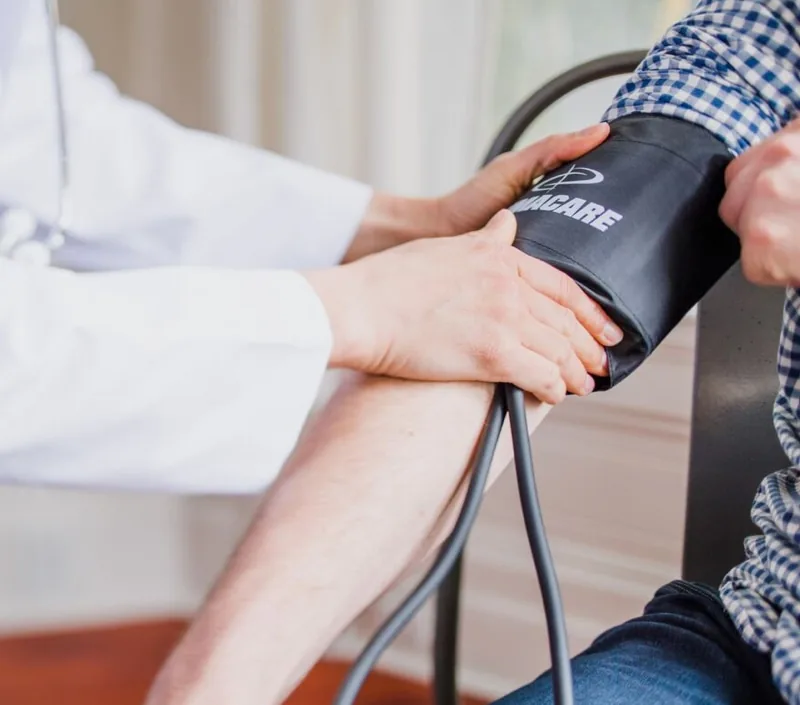
Blepharoplasty is a routine, minimally invasive eyelid procedure with a usually mild recovery — it is performed on an outpatient basis under local anesthesia. Like any surgery it carries some risk, but that risk is low and can be reduced further by the surgeon's qualifications and proper aftercare. Your individual risk and whether the procedure is suitable are assessed by a doctor based on your history and examination. No honest surgeon guarantees a result in advance.
Is blepharoplasty safe?
Blepharoplasty is one of the most common and well-established aesthetic procedures around the eyes. At BEAUTYSHAPE Clinic in Prague 2 it is performed on an outpatient basis under local anesthesia and takes roughly 45 minutes. Patients go home the same day.
Safety also depends on who performs the surgery. All BEAUTYSHAPE doctors are ophthalmologists — eye specialists — which matters greatly for surgery in the immediate area of the eye. The clinic is registered in the National Register of Health Service Providers.
Still, no surgery is entirely risk-free. The honest answer is that this is a procedure with a usually mild course and low risk — not a procedure with zero risk. That is why it helps to understand both normal healing and less common complications.
What is normal healing and what is a complication?
It helps to separate the body's expected reactions from actual complications. Most of what patients experience in the first days is part of normal healing and resolves on its own.
The normal, expected course after the procedure includes:
- swelling and bruising around the eyelids
- temporary discomfort, dryness or watering of the eyes in the first days
- mild tightness at the incision line
- stitches are usually removed on day 5 to 10
What complications are possible?
Alongside normal healing there are less common risks that a patient should know about in advance. We present them honestly and without needless alarm — for the vast majority of patients they do not occur.
As with any surgery, possible risks include prolonged swelling, mild asymmetry, a reaction to the stitches, or rarer healing complications. The precise individual level of risk cannot be determined from an article — it is assessed by the doctor based on your medical history, health status and examination. The consultation also includes evaluating any contraindications.
It is important to know when not to wait. Contact a doctor immediately if you experience severe or increasing pain, worsening or impaired vision, or signs of infection (increasing redness, warmth, purulent discharge, fever). These warning signs are not a normal part of healing.
What lowers the risk?
Risk is not a matter of chance — it can be actively reduced through the choice of method, setting and follow-up care. At BEAUTYSHAPE, safety rests on several concrete elements.
- local anesthesia instead of general anesthesia — the risks of general anesthesia are avoided
- an outpatient procedure of about 45 minutes
- a gentle radiofrequency scalpel and microsurgical sutures
- surgeons are ophthalmologists specialized in oculoplastic surgery
- post-operative check-ups are included in the price and the doctor guides the patient until full healing
- an aftercare package as a gift
What should you ask your surgeon before the procedure?
A good consultation goes both ways. Do not hesitate to ask — an honest surgeon welcomes questions and answers clearly. The following checklist helps guide the conversation:
- What is your experience and specialization with this procedure?
- Which method will you use for me and why?
- What is realistic to expect from the result?
- How will healing proceed and how long will it take?
- What should I do if a complication appears?
- What exactly is included in the price?
How do you recognize a good clinic?
You recognize a quality practice not by promises but by transparency and qualifications. Verify the provider's registration in NRPZS, the surgeons' specialization, and whether post-operative check-ups are part of the care.
BEAUTYSHAPE Clinic is located at Rumunská 1720/12, Prague 2, is registered in NRPZS, and its team consists of ophthalmologists MUDr. Zuzana Procházková, MUDr. Stanislav Kolbach and MUDr. Marcela Richterová. On Google it holds 117 reviews, 86 % of them five-star.
If you want to know your individual risk and whether the procedure is right for you, a no-obligation step is a free online consultation, where a doctor answers your questions.
- Blepharoplasty is a routine, minimally invasive procedure with a usually mild recovery, performed on an outpatient basis under local anesthesia.
- Like any surgery it carries risks; these are lowered by the surgeon's qualifications, a gentle technique and proper aftercare.
- Swelling, bruising and temporary eye dryness are normal healing; severe pain, impaired vision or signs of infection require an immediate visit to a doctor.
- Checklist for your surgeon: experience and specialization, the chosen method and why, a realistic result, how healing proceeds, what to do if a complication arises, and what is included in the price.
- Individual risk and suitability are assessed by a doctor; an honest surgeon does not guarantee the result in advance.
FAQ
Is eyelid surgery painful?
The procedure itself is performed under local anaesthesia, so you usually feel no pain during it. In the first days afterward there may be mild discomfort, swelling and tightness, which are part of normal healing and gradually subside. Sensation is individual and your doctor will discuss it with you.
Is blepharoplasty done under general anesthesia?
No. At BEAUTYSHAPE it is performed on an outpatient basis under local anesthesia, which avoids the risks associated with general anesthesia. The procedure takes about 45 minutes and the patient goes home the same day.
When should I contact a doctor after surgery?
Immediately, if you experience severe or increasing pain, worsening or impaired vision, or signs of infection (increasing redness, warmth, purulent discharge, fever). These symptoms are not a normal part of healing.
How is the risk of complications reduced?
Risk is lowered by the surgeon's qualifications (at BEAUTYSHAPE they are ophthalmologists), local anesthesia, a gentle radiofrequency technique, microsurgical sutures, and included post-operative check-ups where the doctor guides the patient to full healing.
Who decides whether the procedure is suitable for me?
The suitability of the procedure, any contraindications and your individual level of risk are assessed by a doctor based on your history and examination. This cannot be determined from an article or guaranteed in advance.
When are the stitches removed?
Stitches are usually removed between day 5 and day 10, during the post-operative check-ups that are included in the price.
Want a precise answer for your case?
A non-binding online consultation with a doctor is free. Find out whether and which procedure makes sense for you — and the exact price.
Book a free consultationMore articles

What Is Blepharoplasty and Who Is It For
A clear introduction to blepharoplasty: what it is, which types exist, who benefits and who should wait. Facts on the procedure, recovery and pricing.
Read article
How Much Does Eyelid Surgery Cost in Prague? Prices Explained
An overview of blepharoplasty prices in Prague, what makes up the cost, what a fixed all-inclusive price includes, and why prices differ across the market.
Read article